
Why Some Wastewater Treatment Plants Remain Stable for Years While Others Constantly Need Troubleshooting

Jones Chee • 9 July 2026

Share this article

Why Do Some Wastewater Treatment Plants Need Constant Troubleshooting?

A stable wastewater treatment plant is built on consistent operation, effective process control, and proactive maintenance, not just quality equipment. Plants that monitor performance trends, train operators, optimise biological processes, and conduct regular technical reviews are far more likely to achieve long-term compliance and lower operating costs than facilities that only react when problems occur.

Many industrial wastewater treatment issues stem from changing influent characteristics, operational inconsistencies, or insufficient monitoring rather than equipment failure. Identifying these root causes early helps reduce downtime, improve treatment efficiency, and maintain reliable compliance with environmental regulations.

Why Equipment Alone Doesn't Determine Plant Performance

Process stability. Operational discipline. Continuous improvement.


It is common to assume that upgrading equipment will automatically solve wastewater treatment problems. In reality, many facilities with modern treatment systems still experience recurring issues, while older plants with well-managed operations continue to perform reliably year after year.


Long-term wastewater treatment performance is influenced by the interaction between people, processes, and equipment. When one of these elements is neglected, troubleshooting becomes a routine activity instead of an occasional necessity.

Characteristics of Stable Wastewater Treatment Plants

Consistency. Monitoring. Prevention.


Stable wastewater treatment plants rarely rely on emergency corrective actions. Instead, they build operational routines that detect problems before they become compliance risks.


Common characteristics include:

  • Regular process performance reviews
  • Routine laboratory monitoring
  • Stable biological conditions
  • Preventive maintenance programmes
  • Well-trained operators
  • Clear Standard Operating Procedures (SOPs)
  • Continuous optimisation based on historical trends


Rather than asking, "How do we fix today's problem?", stable plants focus on, "What trend is developing, and how can it be prevented?"

The Five Pillars of Long-Term Wastewater Treatment Stability

1. Regular Performance Reviews

Measure. Analyse. Improve.


Successful facilities review plant performance using historical operating data rather than relying on daily observations alone.

Performance indicators commonly reviewed include:

  • COD removal efficiency
  • BOD removal efficiency
  • TSS removal
  • Ammoniacal nitrogen removal
  • MLSS concentration
  • Sludge Volume Index (SVI)
  • Dissolved Oxygen (DO)
  • Sludge production
  • Chemical consumption
  • Energy usage


Trend analysis allows operators to identify gradual changes before they affect discharge quality.


Find out more about our Free IETS Fitness Test

2. Process Trend Monitoring

Data-driven decisions. Early detection. Operational confidence.

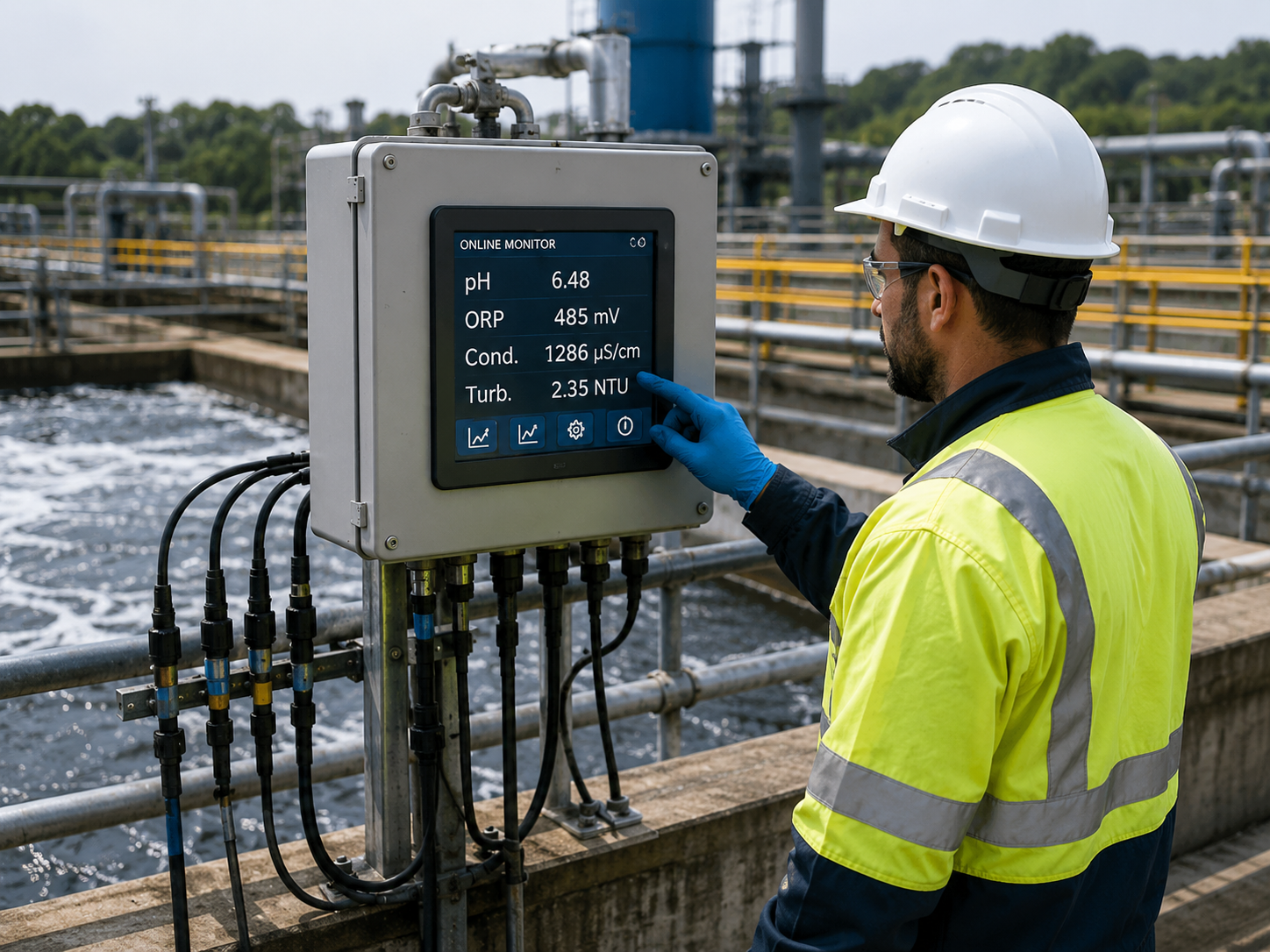
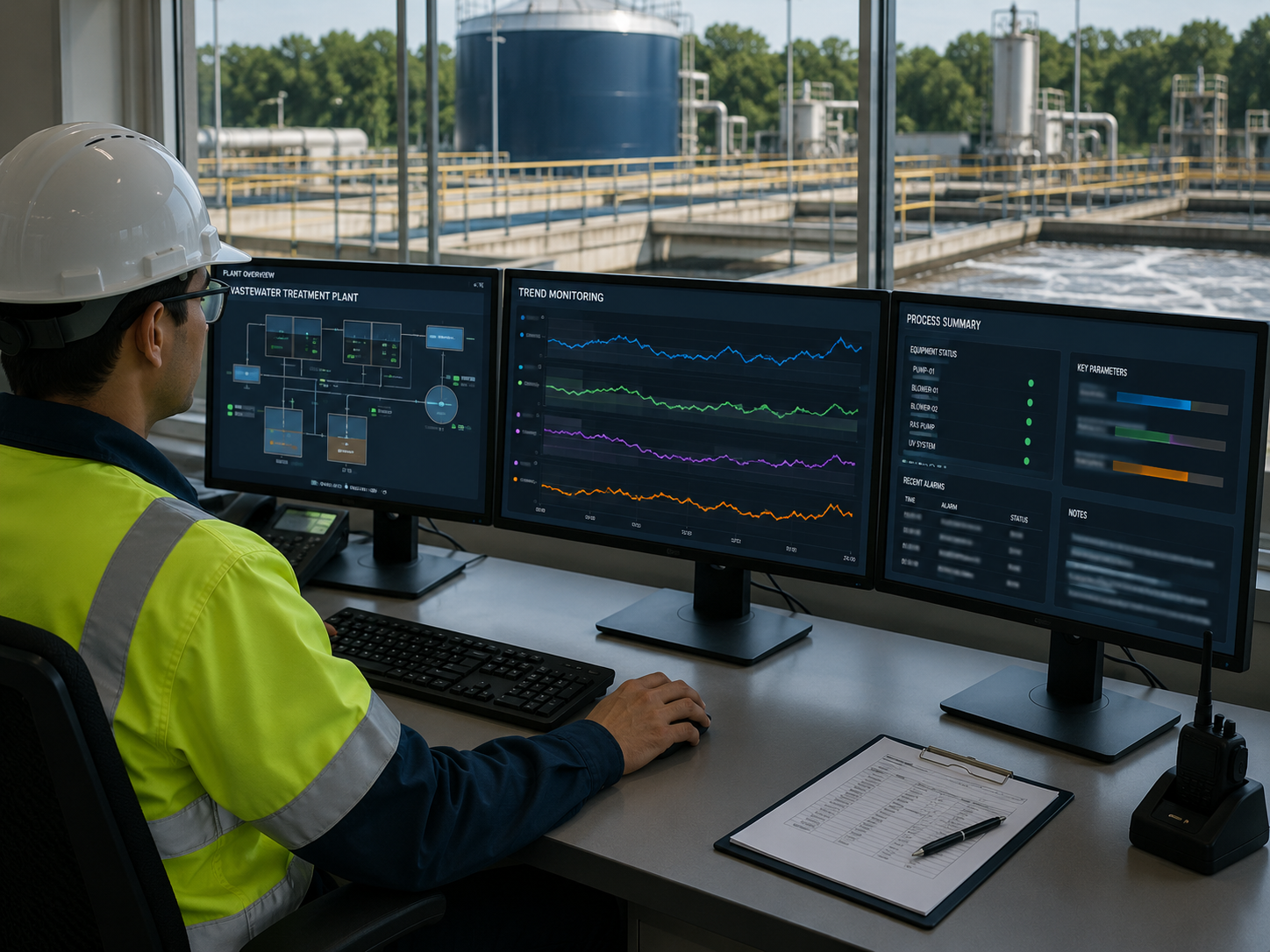
Wastewater treatment plants generate valuable operational data every day. However, collecting data alone is not enough, understanding trends is what enables proactive management.


Examples of useful trend monitoring include:

Chemical Oxygen Demand Loading (COD)

Flowrate

Parameter

Why It Matters

pH

Chemical Consumption

Energy Consumption

Reveals dosing inefficiencies

Identifies hydraulic shocks

Measures biomass health

Indicates aeration performance

Detects production changes

Protects biological activity

Identifies optimisation opportunities

Mixed Liquor Suspended Solids (MLSS)

Dissolved Oxygen (DO)

Facilities that monitor trends are often able to correct minor process deviations before they escalate into major treatment failures

3. Operator Training

Knowledge. Consistency. Confidence.


Even the most advanced wastewater treatment technology depends on competent operators.


Effective operator training includes:

  • Understanding biological treatment principles
  • Recognising early warning signs
  • Correct sampling techniques
  • Equipment operation
  • Process troubleshooting
  • Safety procedures


Experienced operators often detect subtle process changes long before laboratory results indicate a problem.


Find out more about our Operation & Maintenance (O&M) Services

4. Preventive Maintenance

Reliability. Availability. Lower lifecycle costs.


Preventive maintenance reduces the likelihood of unexpected equipment failures that disrupt treatment performance.


Key maintenance activities include:

  • Blower inspections
  • Pump servicing
  • Diffuser cleaning
  • Instrument calibration
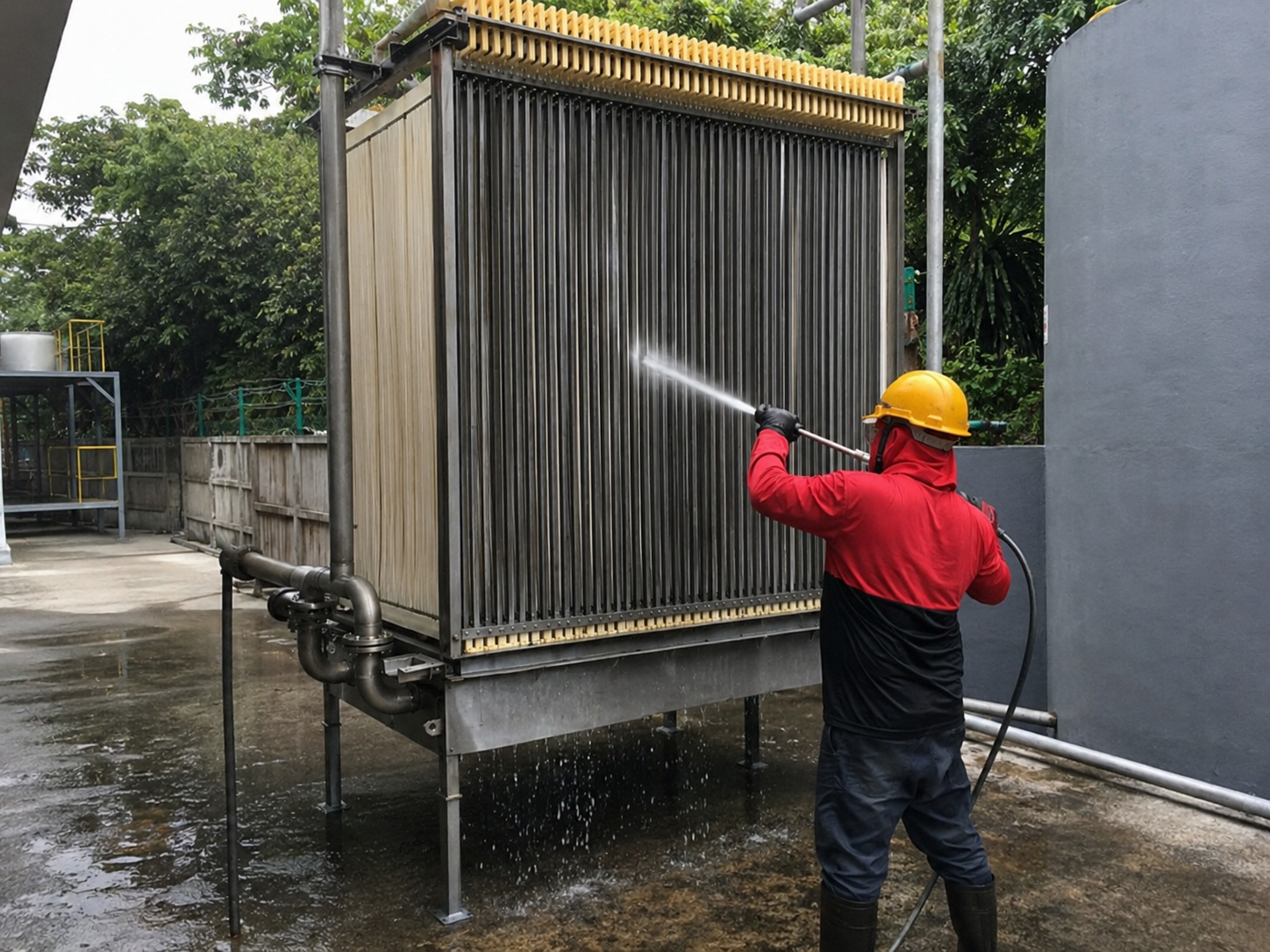
  • Membrane inspections (for MBR systems)
  • DAF nozzle maintenance
  • Sludge dewatering equipment servicing


Routine maintenance also improves equipment efficiency and extends asset life.

5. Process Optimisation

Continuous improvement. Root cause analysis. Sustainable performance.


Wastewater treatment plants should evolve as production processes change.


Regular optimisation may involve:

  • Reviewing hydraulic loading
  • Improving equalisation performance
  • Optimising aeration control
  • Adjusting sludge wasting strategies
  • Evaluating chemical dosing
  • Upgrading bottleneck equipment


Many optimisation projects deliver measurable improvements without requiring major capital investment.


Related Reading: Key Technologies Used in Industrial Wastewater Treatment

Common Mistakes That Lead to Frequent Troubleshooting

Many recurring wastewater treatment issues are linked to operational practices rather than equipment limitations.


Common mistakes include:

  • Focusing only on compliance sampling
  • Ignoring historical operating trends
  • Delaying preventive maintenance
  • Operating with insufficient operator training
  • Reacting to symptoms instead of identifying root causes
  • Overdosing treatment chemicals
  • Neglecting sludge management


Addressing these issues systematically often produces greater long-term improvements than replacing equipment.

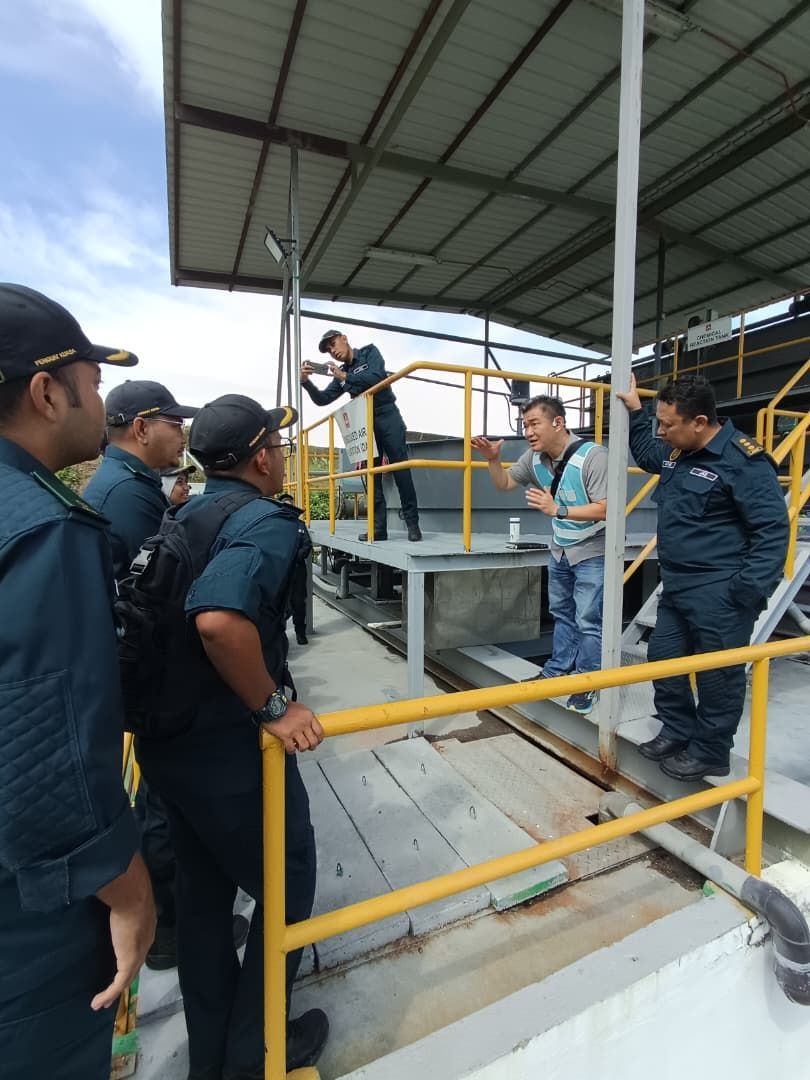
Our On-Site Observation

One observation frequently made across industrial wastewater treatment plants is that facilities experiencing recurring problems often have multiple small process inefficiencies rather than one major failure.


For example:

  • Poor equalisation creates hydraulic shock loading.
  • Hydraulic shocks reduce biological stability.
  • Biological instability increases chemical consumption.
  • Increased sludge production raises disposal costs.
  • Higher operating costs prompt reactive operational changes.


By addressing the root causes instead of treating individual symptoms, many facilities achieve more stable treatment performance and lower operating costs over time.

When Should a Wastewater Treatment Plant Be Reviewed?

A professional technical review should be considered when:

  • Operating costs continue to increase.
  • Chemical consumption rises unexpectedly.
  • Sludge production becomes excessive.
  • Compliance failures occur more frequently.
  • Plant capacity approaches design limits.
  • Production processes change significantly.
  • Operators spend increasing time troubleshooting.


Early technical intervention is often more cost-effective than waiting for persistent operational problems to develop.

Final Thoughts

The difference between a stable wastewater treatment plant and one that constantly requires troubleshooting is rarely determined by equipment alone. Long-term success depends on operational discipline, trend monitoring, preventive maintenance, and a commitment to continuous process optimisation.


Facilities that invest in understanding their treatment processes rather than simply reacting to operational problems are more likely to achieve consistent compliance, lower operating costs, and improved treatment efficiency.

New titleReady to Improve Your Wastewater Treatment Plant Performance?

If your Industrial Effluent Treatment System (IETS) requires frequent troubleshooting, experiences recurring compliance issues, or has rising operating costs, a professional technical assessment can help identify the underlying causes.


The Cheme Advance Technical Team has more than 20 years of experience supporting industrial wastewater treatment plants across Malaysia through:

  • Wastewater treatment troubleshooting
  • Plant performance optimisation
  • Technical audits and process reviews
  • Operator training and operational support
  • MBR, MBBR, Activated Sludge, DAF, and anaerobic system optimisation
  • Operation & Maintenance (O&M) services
  • Plant upgrades and capacity expansion studies


Book a Wastewater System Audit


Whether you're planning an upgrade or trying to improve an existing wastewater treatment plant, our specialists can evaluate your system and identify bottlenecks, and recommend practical solutions based on engineering principles and real operating conditions.


Frequently Asked Questions

Why does my wastewater treatment plant require constant troubleshooting?

Frequent troubleshooting is often caused by unstable influent characteristics, insufficient process monitoring, inadequate operator training, or poor preventive maintenance rather than equipment failure alone.

Can optimisation improve plant performance without replacing equipment?

Yes. Many wastewater treatment plants achieve significant performance improvements by optimising biological processes, reviewing chemical dosing, improving equalisation, and strengthening operational controls before investing in new equipment.

How often should wastewater treatment plants undergo technical audits?

Most industrial facilities benefit from a comprehensive technical audit at least once a year, with additional reviews following production changes or recurring operational issues.

What parameters should operators monitor daily?

Key parameters include pH, dissolved oxygen (DO), MLSS, COD, flowrate, sludge settling characteristics (SV30/SVI), and chemical consumption trends.

Is operator training as important as equipment?

Yes. Experienced operators are essential for maintaining process stability, identifying early warning signs, and responding appropriately to operational changes.

About the Author

Jones
Marketing Engineer | Cheme Advance Services Sdn Bhd


Jones is a Marketing Engineer at Cheme Advance Services Sdn Bhd with experience in the environmental engineering industry. He holds a Bachelor of Mechanical Engineering (Honours) from Monash University Malaysia and works closely with Cheme Advance's technical team to develop accurate, practical content on industrial wastewater treatment, plant optimisation, and environmental compliance. His articles combine engineering principles, industry best practices, and real-world operational insights to help Malaysian manufacturers make informed decisions.

References

Malaysian Regulations
  1. Department of Environment (DOE) Malaysia 
  2. Environmental Quality Act 1974 (Act 127)
  3. Environmental Quality (Industrial Effluent) Regulations 2009
  4. Guidance documents on Industrial Effluent Treatment Systems (IETS)


Technical Standards & Textbooks
  1. Metcalf & Eddy. Wastewater Engineering: Treatment and Resource Recovery. 5th Edition. McGraw-Hill Education.
  2. Water Environment Federation (WEF). Operation of Municipal Wastewater Treatment Plants.
  3. American Water Works Association (AWWA). Technical publications on water and wastewater treatment.


Process & Design References
  1. Tchobanoglous, Burton & Stensel.
    Wastewater Engineering: Treatment and Reuse.
  2. Crites & Tchobanoglous.
    Small and Decentralized Wastewater Management Systems.
  3. World Bank Group.
    Environmental, Health and Safety (EHS) Guidelines for Water and Sanitation.


Cheme Advance Internal References
  1. Operational observations and engineering experience from wastewater treatment projects undertaken by Cheme Advance Services Sdn Bhd (where project confidentiality permits).


Recent Posts

by jones chee 10 July 2026
Learn how to prepare for DOE wastewater sampling in Malaysia and why consistent wastewater treatment operation is more effective than last-minute corrective actions.
by sales albeadvance 26 June 2026
Learn about the most important industrial wastewater treatment technologies including DAF, MBBR, MBR, Activated Sludge, UASB, EGSB, sludge dewatering, and water reuse systems.
by sales albeadvance 24 June 2026
Compliance failures don’t happen overnight. Spot early signs in your effluent treatment system before small issues turn into bigger problems.
by sales albeadvance 23 June 2026
Learn how industrial wastewater treatment works, including primary, secondary, and tertiary treatment stages, common technologies, and how industries achieve environmental compliance in Malaysia.
by sales albeadvance 17 June 2026
What Many Plants Misunderstand About MBR Systems
Industrial wastewater treatment system with large treatment tanks, piping, and access platforms for
by sales albeadvance 11 June 2026
Industrial water management is shifting from DOE compliance to stable treatment, resilience, and wastewater recycling for long-term sustainability.
Foaming aeration tank in an industrial wastewater treatment plant for biological treatment process
by sales albeadvance 10 June 2026
A food and beverage wastewater treatment case study on blower failure, aeration interruption, repair action, and standby planning for stable performance.
Wastewater Treatment
by sales albeadvance 9 June 2026
How industrial wastewater recycling can turn wastewater treatment from a compliance cost into a long-term water asset for businesses in Malaysia.
by sales albeadvance 3 June 2026
Learn why a stable effluent treatment system is more important than achieving one-time DOE compliance. Discover how operational stability, sludge management, and influent control improve long-term wastewater performance.
by sales albeadvance 29 May 2026
What Clients Really Need from Their IETS Partner After Project Handover
Show More